Working in an agile way? Sure. But how exactly?
Agility is a term that is firmly established in today’s project work. While classic project management still has its place, agile approaches have become a central component of modern working methods. The difference between traditional and agile project management is particularly evident in the approach to planning and control. While traditional project management is based on fixed plans and clearly defined goals, agile project management focuses on flexibility and adaptation to changing requirements.
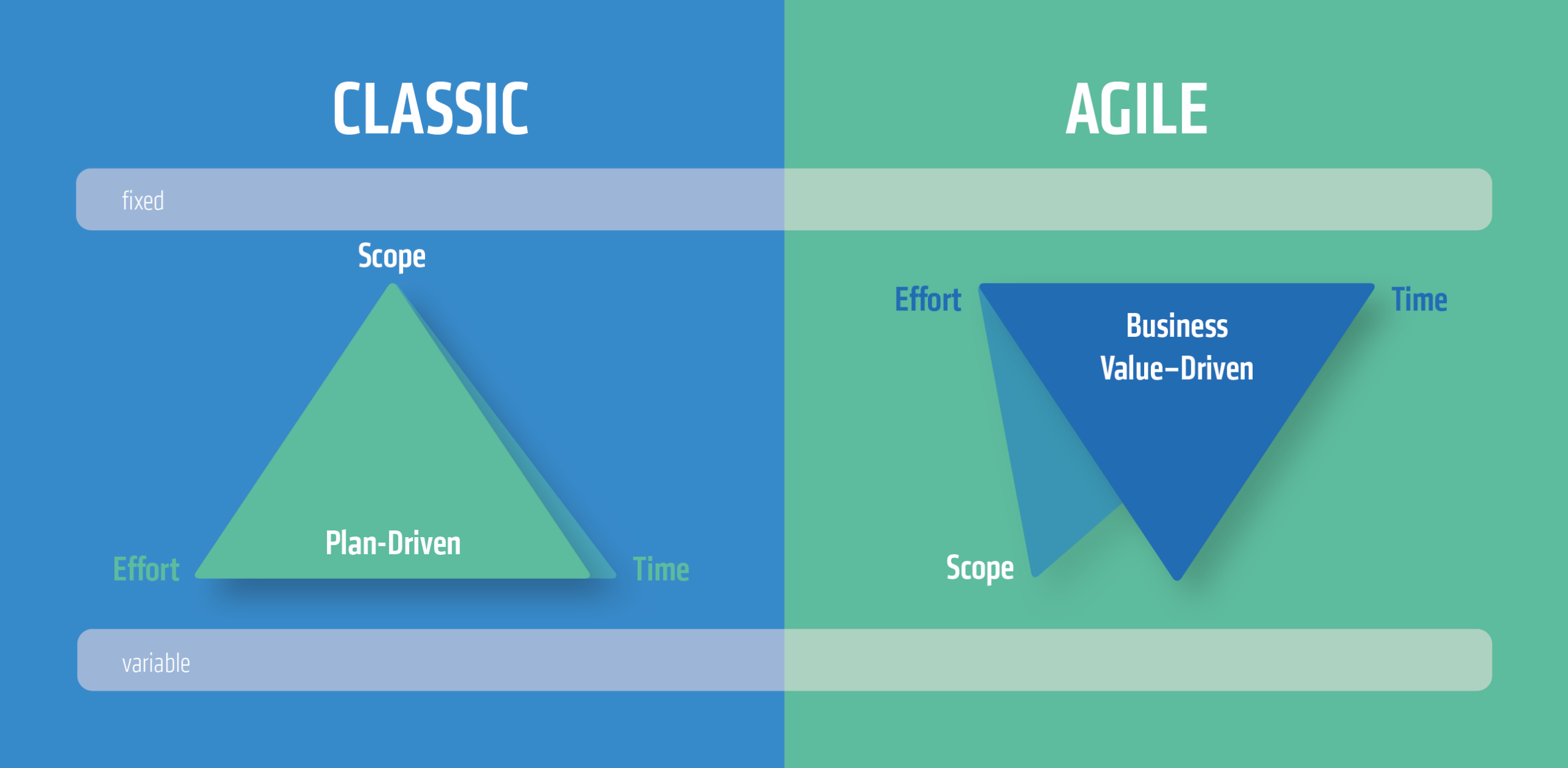
In the IT industry in particular, the demand for agile working methods has become almost a matter of course. But there is much more to the buzzword ‘agility’ than just a methodological framework. It is a mindset, an attitude and a process that fundamentally changes the way teams work together and develop solutions.
More than daily stand-ups and sprints
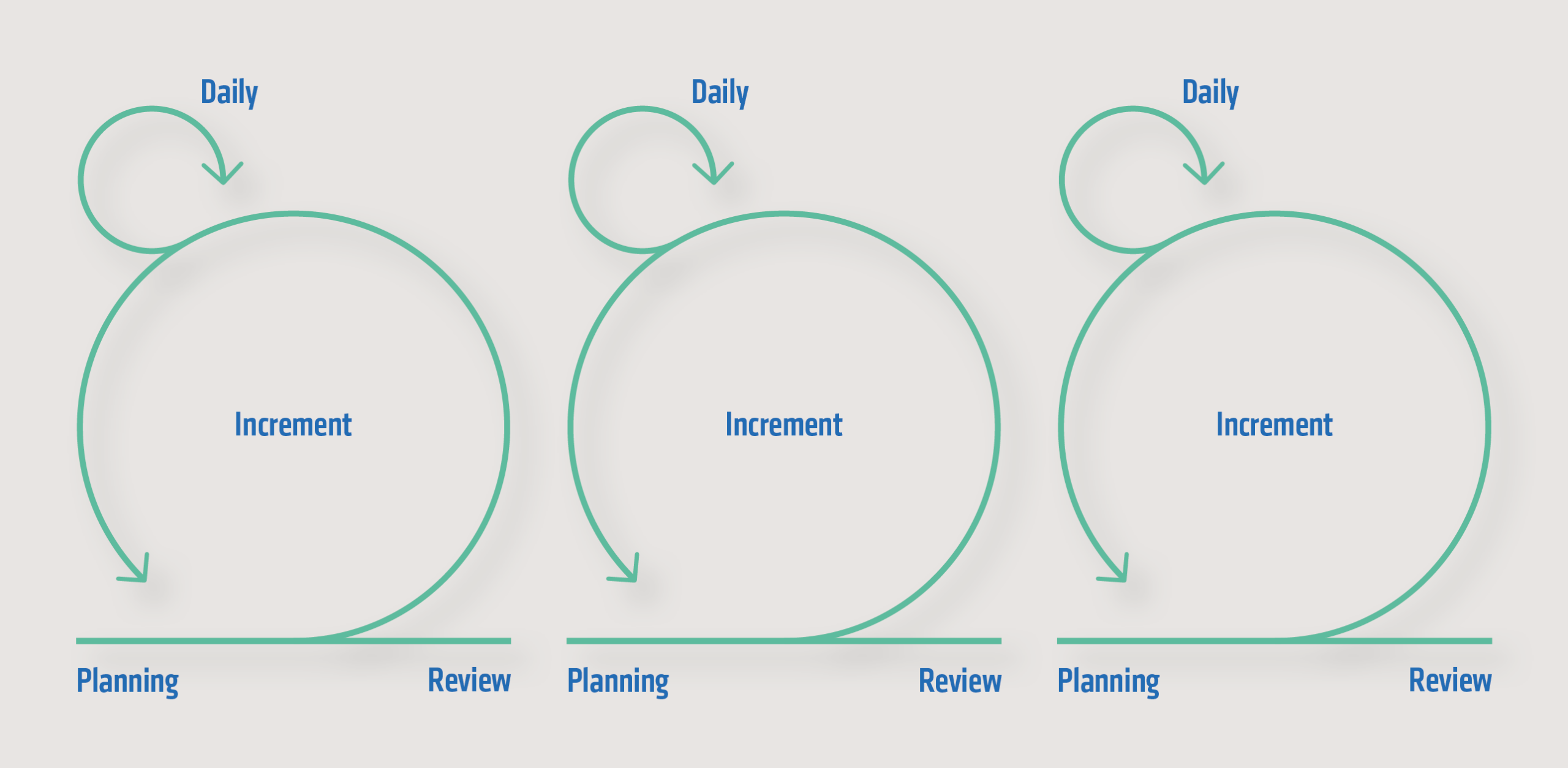
Agility is often equated with specific frameworks such as Scrum or Kanban. These offer clear structures, roles and processes that support teams in working iteratively and incrementally. But agility is much more than just sticking to sprints, dailies and retrospectives. It is a principle that demands flexibility, self-organisation and continuous adaptation to changing conditions. The principle of ‘doing the right thing right’ forms the foundation for this.
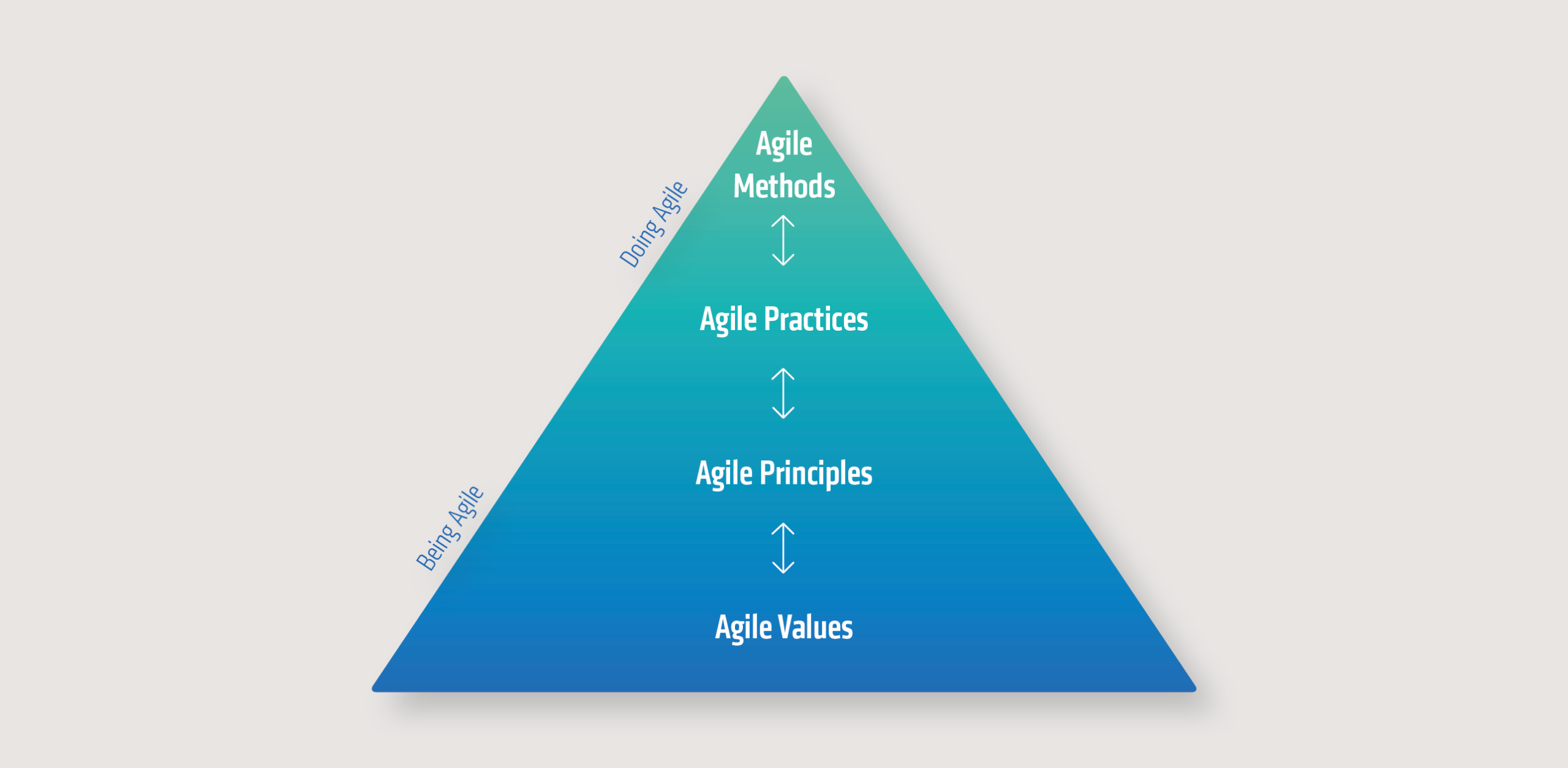
Agility offers enormous advantages in projects with rapidly changing requirements and unexpected challenges. The added value of this approach is particularly evident in our SAP projects. Read the blog article by our colleague Daniel Hornfischer about semi-agile working in S/4HANA transformation. With short feedback cycles, we can respond to change requests at an early stage and correct undesirable developments. At the same time, we promote a high degree of personal responsibility through the self-organisation of the teams. This approach has proven particularly successful for young professionals, who can quickly take on responsibility and grow at adesso. However, these theoretical advantages cannot be easily transferred into practice. Agility requires discipline, a sense of responsibility and a deep understanding of priorities. Without these basic prerequisites, there is a risk that individual project members will be overwhelmed, the agile approach will lose its effectiveness and the success of the project will be compromised.
Agility in everyday life and its challenges
Problems in practical implementation
In practice, it quickly becomes apparent that implementing agile principles is by no means trivial. Many projects start with the intention of working agilely, but fail in their practical implementation. A common problem is a lack of clarity about roles and responsibilities. In particular, the role of the product owner, which in theory is central to prioritising the backlog and communicating with stakeholders, is often hampered in practice by inadequate training or a lack of communication within the project team. In addition, rigid corporate structures often clash with the dynamic requirements of agile projects, making the establishment of agile working methods even more challenging. Here, we support our clients in creating the right structures and anchoring the agile mindset in their teams in the long term.
Another crucial factor is to communicate to the team from the outset why an agile approach has been chosen and what the expectations are for the project process. Only when team members understand the purpose and goals behind the agile working method can they identify with the principles and implement them successfully.
Using agility correctly
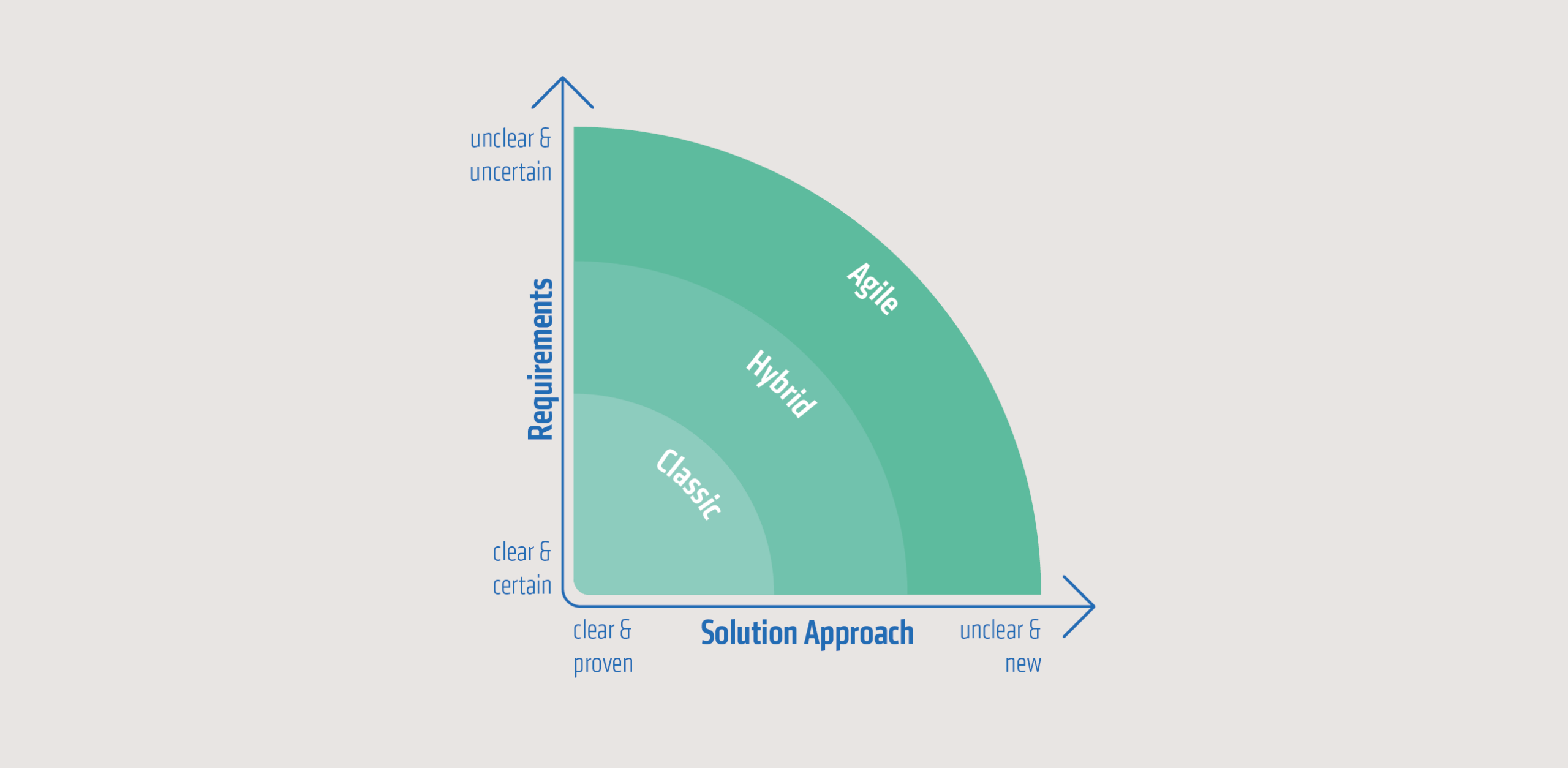
Agility also requires delegating responsibility, allowing mistakes and dealing with uncertainty. This challenge requires a high degree of commitment and patience, especially in highly hierarchical organisations. Our experience shows that close support and targeted workshops can help to overcome these hurdles and establish an agile culture in the long term. However, it is not only crucial that teams learn to think and act agilely, but also that the project itself is suitable for agile methods. Not every project benefits from agile approaches, especially if the requirements are clearly defined from the outset and few changes are to be expected. In such cases, traditional methods may be more efficient. Agile methods are particularly effective in projects characterised by uncertainty, changing requirements or a high degree of complexity. It is therefore not enough to set up a Scrum board and assign roles. Teams must learn to think and act agilely. This is a process that requires patience and continuous reflection. At the same time, it must be examined whether the framework conditions of the project allow for the flexibility and iterative working methods of agile methods in the first place. Only when both the team and the project are geared towards agility can a sustainable agile culture emerge.
Experience shows that problems tend to arise more frequently at the beginning of a project during the first retrospectives, but these decrease as the project progresses due to team members becoming acclimatised, advanced training and increasing clarity about the distribution of roles. In this way, the core challenges quickly become clear and tangible in advanced stages, but require all the more initiative from each individual team member.
The tension between desire and reality
An agile team can only work successfully if the organisation itself is also agile, or at least flexible enough. This is where a discrepancy often arises: while the team works iteratively and incrementally, processes such as budgeting, controlling and resource planning remain rigid and inflexible.
At adesso, we rely on hybrid approaches, among other things, to take these areas of tension into account. We combine agile methods with traditional elements to meet both the requirements of management and the needs of the teams.
Another area of tension is communication with management. Managers expect quantitative metrics, such as the number of story points completed, in order to evaluate the progress of a project. However, these figures do not always reflect the actual added value that a team delivers. Here, it is the task of project management to bridge the gap and communicate results in a way that both reflects agile values and meets management requirements.
Agility as a living culture
Perhaps the most important, but often overlooked, aspect of agility is its cultural dimension. Agility is not a state that a team achieves by applying a method. It is an attitude that is reflected in collaboration, communication and leadership. Managers play a crucial role in this: they must not only exemplify agile values, but also create a space in which teams can experiment and grow. At adesso, we attach great importance to living this attitude not only in our projects, but also internally. Openness, trust and courage are values that we actively promote both within our teams and in our collaboration with our customers.
An important part of this culture is the culture of error. Agile projects are experimental by definition, which means that mistakes are inevitable. But instead of avoiding or hiding them, they should be used as learning opportunities. This requires a high degree of trust both within the team and between the team and management. This trust forms the foundation for open communication without finger pointing, but with self-reflection and a focus on solutions.
Approaches for practice
Consulting practice shows that agility should not be dogmatic. Not every organisation is ready for a complete agile transformation, and not every project is suitable for a purely agile approach. Pragmatism is required here: agile where it makes sense and classic where it is necessary. At adesso, we focus on tailor-made solutions that meet the individual requirements of our customers. Hybrid approaches that combine agile elements such as regular reviews and retrospectives with classic planning structures are frequently used and have proven themselves in many projects. In this way, we create transparency and encourage feedback without jeopardising our customers’ familiar planning structure.
Conclusion: Agility is a continuous learning process
Agility is much more than a method. It is a continuous learning process that enables teams and organisations to work flexibly, customer-oriented and innovatively. But it is not a panacea. The success of agile projects depends on how well the principles of agility can be adapted to the specific requirements of the project, the customer and the organisation. The trick is to find the balance between theory and practice without ever losing sight of the actual purpose: to develop products and solutions that create real added value. Agility is not a goal, but a journey. Those who embark on this journey with openness, courage and a willingness to learn will not only implement better projects, but also grow personally.
If you would like to know more about our experiences and approaches or discuss your specific challenges, I would be happy to assist you. Let’s find out together how we can support you on your path to greater agility.