From April 4, 2025, the German energy market will undergo a significant change: the technical supplier switch, which previously took up to 8 working days, will now be completed within 24 hours on working days. This reform aims to considerably simplify and accelerate the process of switching energy suppliers for consumers.
What needs to be considered during the implementation?
Simply streamlining deadlines in existing processes is insufficient to meet the requirements of the 24-hour supplier change (LFW24). Therefore, the entire process must be optimized and revised.
To enable a rapid transition, energy suppliers and network operators need to adapt and modernize their IT systems and processes. Implementation requires structural changes to these processes, including splitting and modularizing them, as well as integrating billing and accounting data.
What changes does the LFW24 bring?
In addition to introducing accelerated supplier switching by streamlining deadlines, further process changes are necessary. These changes pertain to the electricity sector. Gas remains unchanged.
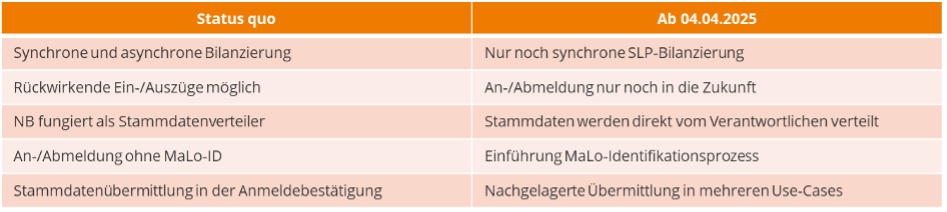
Fig. 1: Changes to LFW24 Source: Application guide Introduction scenario for LFW24
Why is the process being shortened?
- Reduction of the implementation and maintenance effort of the processes by the market partners
- Increasing the clarity of the procedural requirements
- Improving the quality of data and the resilience of processes (BK6-22-024, decision of 21.03.2024)
The GPKE (business processes for supplying customers with electricity) was divided into four parts as part of the accelerated supplier change.
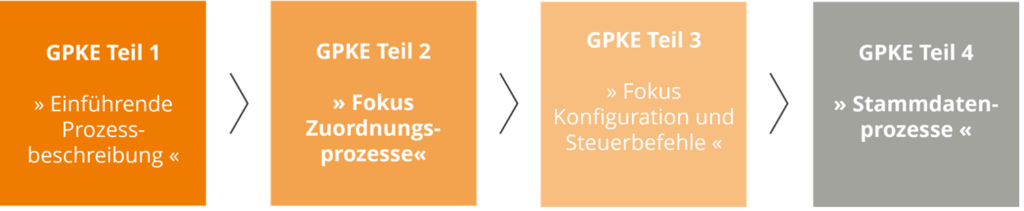
Fig. 2: Structure of the GPKE from 04.04.2025
This blog post will tell you about the specific changes that the participating market partners will face within the GPKE, with a focus on the processes.
Note: The abbreviations used in the text correspond to the terms defined in the GPKE. (GPKE Part 1 – Introductory Process Description, Appendix 1a to the BK6-22-024 standard)
What will change at the process level on April 4, 2025?
1. Preparatory processes
A new feature is the determination of the MaLo ID. This process is carried out technically via an API interface. To initiate a termination or start of supply, the supplier must provide the required identification criteria: name, address, delivery point, meter number, and MaLo ID. The network operator must respond within two hours of receiving the request.
The subsequent termination process is essentially the same as before. It is extended to include generating MaLos and tranches. The termination date must be in the future.
2. Assignment processes
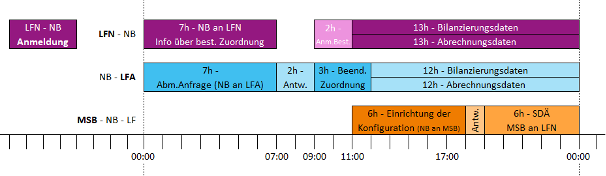
Fig. 3: Possible sequence of the 24 hours
The 24-hour period begins the day after the LFN (Load Delivery Network) registers its allocation (start of delivery) to a MaLo (Major Loan) or tranche. Information regarding the existing allocation must be received no later than 7:00 a.m. on the first working day after the registration date. Simultaneously, the NB (Network Operator) sends the cancellation request to the LFA (Load Delivery Authority). A response must be received by 9:00 a.m. at the latest. The NB’s allocation/rejection must be received by the LFN by 11:00 a.m. at the latest.
The new installation process, which was previously integrated into the start of delivery, will be carried out as a separate process from April onwards.
The process for submitting delivery vehicles to the supplier remains essentially unchanged. The deadlines are being tightened. Registration must be completed immediately, at the latest on the day before the last workday before the allocation deadline.
The process diagram for supplying NBs to LFs has been significantly revised, and the roles LFZ, MSB, and MSBZ have been incorporated. The deadlines for deregistration differ depending on the reason for deregistration, but must not be in the past.
3. Complementary processes
New processes include those for transmitting billing data for network usage and balancing group settlement. These processes are triggered in parallel by the initial assignment of the MaLo (Metering Point Location) or the termination of an assignment, a change in the already transmitted data, or in the event of data inconsistencies from the network operator’s perspective.
From MAKO’s perspective, the initial transmission during registration and the subsequent settlement data are combined here. The network operator (NB) informs the LF (and TSO, if balancing group settlement is relevant) of the settlement data for the market location, valid from the start of the allocation. The deadline is 00:00 on the first trading day of the transfer day (TS) of the triggering notification, thus ending the 24-hour period. The transmission of the settlement data for balancing group settlement replaces the master data synchronization.
In both processes, the recipient checks the transmitted data and provides quality feedback. If they expect different data, they can send it as a change request. A new process is being introduced for requesting changes to billing data from the LF/TSB to the NB. If the NB makes an adjustment, the processes for transmitting billing data to the NNE or for balancing group settlement are restarted. Only then do the adjusted data become valid for billing.
4. Further master data processes
Part 4 of the GPKE (General Process Control Unit) deals with master data changes. Here, too, the changes are extensive. The existing GPKE chapter has been comprehensively revised, and the responsibilities of the roles have been clearly defined.
The key takeaway: The network operator is no longer the data hub and is therefore responsible for informing the other participating market partners!
Similar to the transmission process, the responsible market partner is required to send updates on the processing status if the recipient expects different content. This results in the process of ordering a master data change.
The new master data process for balancing group compliance between network operators and transmission system operators for master data lots and tranches with balancing based on quarter values replaces the master data synchronization. The trigger is the transmission of settlement data for balancing group settlement.
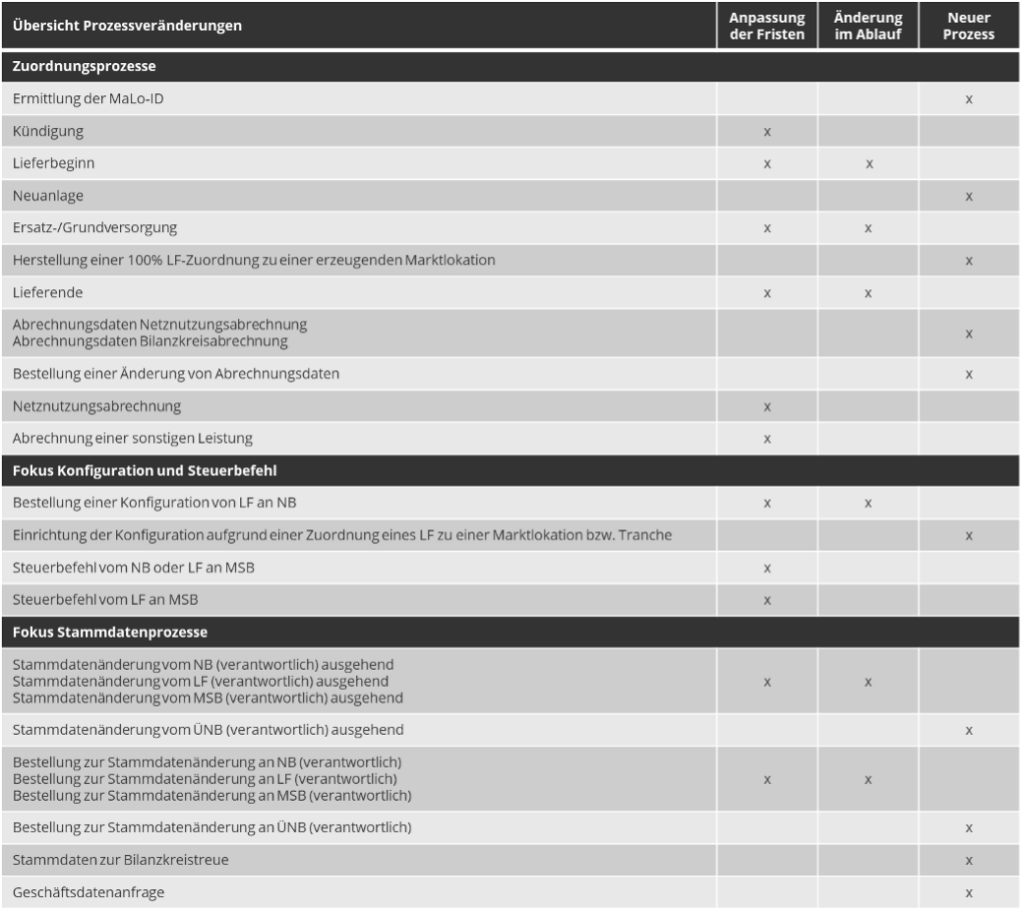
Fig. 4: Overview of process changes
What changes outside of the GPKE are coming our way?
- In addition to the changes in the GPKE, the WiM has also undergone some changes. It will be divided into two parts in the future.
Part 1: Focus on basic processes (content previously in Chapters I and II)
Part 2: Transmission of Values (content previously in Chapter III)
- By integrating the processes of producers into WiM and GPKE, the switching processes for feed-in points (MPES) are eliminated.
- In addition to process adjustments, LFW24 also introduces new EDIFACT formats. UTILMD for electricity is comprehensively adapted, and in the context of the necessary deadline adjustments for CONTRL and APERAK, the approval notification (positive APERAK) is also introduced!
Conclusion
The 24-hour supplier switching process offers energy suppliers and network operators a multitude of opportunities. The drastic reduction in switching time allows for more efficient processes and significantly increases customer satisfaction. This enables faster responses to customer inquiries and greater market flexibility. Furthermore, the modernization and optimization of IT systems leads to improved data quality and process resilience. However, implementing this rapid supplier switching process also presents a considerable challenge, as comprehensive changes are necessary in almost all areas and for all market participants.
If you have any questions about implementing the 24-hour supplier switch, please feel free to contact us. adesso orange will support you with comprehensive advice and professional and technical assistance to successfully overcome the challenges.